
AI PCB Place and Route: What Can AI Actually Do Today?
“AI – BUILD ME A CAR.
Make it cheap, make it quick, make it good.”
Submitting this to your preferred corporate LLM engine should hopefully return a response like, “You can only have two. Meeting all three requirements is not possible.”
Everyone is trying to wrap their minds around AI and what it can achieve. But where are we today in electronic hardware development, particularly in the EDA industry?
Are we at the point where R&D can import all the requirements for an electronic product into an EDA system? Can we then expect a prototype on the bench within days, ready for testing? Not yet.
But I did have some fun using Microsoft Copilot. I started by submitting the following prompt:
“Create an electronic circuit using a microcontroller to turn lights on and off. Use modern surface-mount parts.”
What I got back led to additional options, including suggestions for PCB placement. Try it sometime using my sample.
There are real capabilities and limitations with AI today. In PCB design, CR-8000’s Autonomous Intelligent Place and Route (AIPR) technology shows how AI and automation can already support specific placement and routing tasks.
What Can AI PCB Place and Route Do Today?
EDA vendors are in a race to meet these expectations for greater automation and faster electronic product development. The first vendor to deliver a solution capable of building an electronic product prototype gains a significant advantage. The vendor wins the business, and the customer wins the race to market while potentially saving thousands in labor costs.
Will it meet all three requirements of making it cheap, making it quick, and making it good? Time will tell.
Design Reuse Starts With Proven Placement Knowledge
Design reuse is one of the biggest opportunities for cost and time savings.
Imagine being able to reuse successful placement knowledge from previous designs instead of placing every component from scratch. CR-8000’s Smart Design Reuse can search for previous designs for proven placement configurations, allowing engineers to compare options and apply selected component arrangements to a new layout.
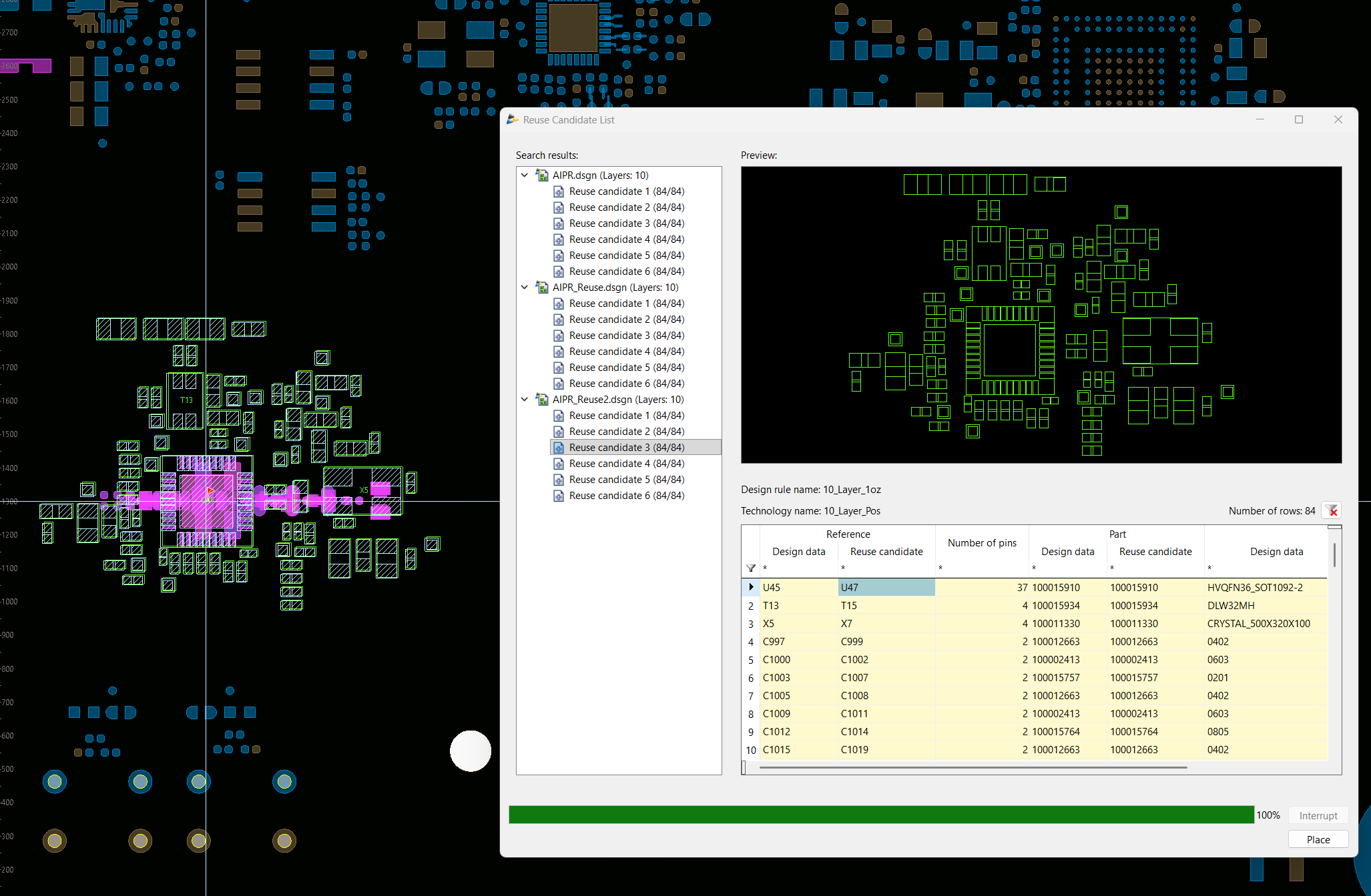
Dynamic Brain makes that stored placement knowledge available through the AIPR server. As a result, engineers can reuse proven design experience while remaining in control of layout decisions.
That process is available right now.
AI PCB Place and Route Reduces Repetitive Layout Work
Hardware engineers are being asked to learn PCB design amid a wave of retirements. When we work with prospects, we learn that they want designs done right the first time. They are not looking up individual parts for a circuit. They are looking for reference designs and golden circuit blocks with all the required components already placed and routed.
They cringe at the thought of placing a 1,000-pin BGA and then placing all the required decoupling capacitors and termination devices.
For example, imagine an AI-enabled function that can automatically place and route hundreds of passive devices, saving engineers hours of valuable time.
This feature is available right now.
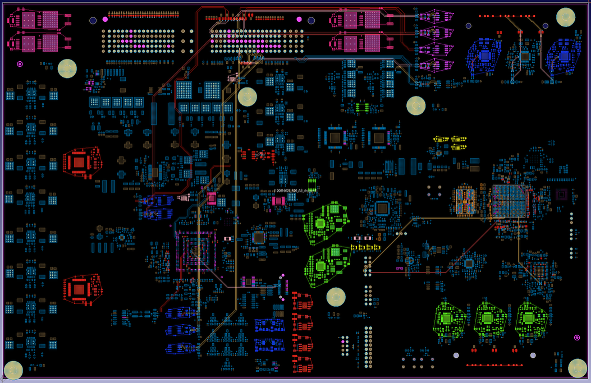
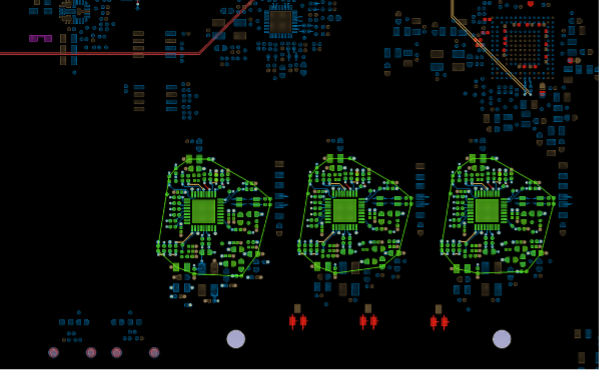
Designs with multiple circuit blocks or channels are often treated as copy-and-paste actions in the CAD tool. However, subtle place and route differences can require designers to fine-tune each block to account for variations.
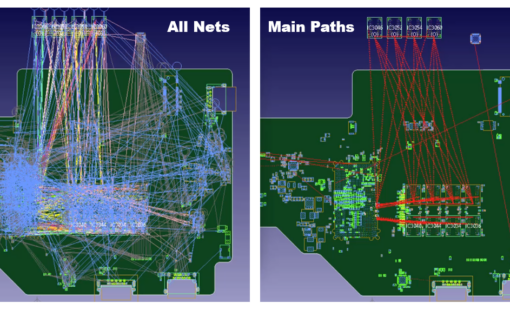
Likewise, now imagine a routing tool that allows a connection to be routed simultaneously across equivalent groups. It considers obstacles and placement differences, such as orientation and board side. It mimics the routing and adapts it to the conditions in the other circuit blocks.
Go one step further. Imagine routing one block almost to completion and propagating the results to the other groups in one action. The system adapts those results to each new block.
This functionality is available right now.
From AI Assistance to Autonomous PCB Design
These AIPR features can save hardware engineers and PCB designers hours on repetitive placement and routing tasks. Do they tick all the boxes of a futuristic AI solution? Not yet.
At Zuken, we are focused on:
- using AI as an enabler to improve design tasks and save time;
- implementing greater autonomy to assist people in their daily roles; and
- using greater automation to handle routine design work while keeping the engineer in control.
Ultimately, that progression is important. AI-assisted PCB design does not need to replace engineering judgment to deliver value. Today, it can remove repetitive work, apply proven design knowledge, and help engineers spend more time on the decisions that require their expertise.
From AI Assistance to Greater Design Autonomy
AI PCB place and route is already delivering value by reducing repetitive work, reusing proven design knowledge, and helping engineers move through placement and routing tasks more efficiently.
That does not mean PCB design is ready to run without human judgment. Engineers still make the critical decisions that shape performance, reliability, and manufacturability. The opportunity is to use AI and automation where they add the most value, while giving engineers more time to focus on the decisions that require their expertise.
As AIPR continues to evolve, the goal is not automation for its own sake. It is faster, more consistent PCB development with the engineer still in control.
Want to see how AIPR can support your PCB design process? Contact Zuken to schedule a CR-8000 demonstration.

-
Applications Engineer


- Blog
- Blog
- Blog

- Blog
Related Products and Resources
- Blog
- Blog
- Blog
- Blog