

Digital Engineering - Zuken America's
Menu

Product Complexity is Driving Digital Engineering

Product development is transitioning from a document-based design process to a model-based design process. Product models are built upon relationships containing architecture, behavior, requirements, and verification. The model is referred to as the single source of truth. Document-based design leads to critical design flaws as products and their operating environments become more complex.

Digital Engineering - Zuken US

Increasing Product and Process Complexity

Not only are today’s products becoming more complex, the processes associated with development are also growing in complexity. The result is longer design times, more design errors and an inefficient hand-off to manufacturing. Today’s document-based design is hitting the wall.


iStock-1179176665-scaled

Microsoft logos

Document Overload

Complexity is best managed with a model-based process that leverages relationships rather than documents.  Replacing your Visio, Excel, Word, and PowerPoint design files with a product model has significant benefits and brings you closer to a Digital Engineering methodology.  If your process requires some external documents, they can be referenced from within the model

Zuken-digital-engineering-Create-A-Single-Source-of-Truth

Single Source of Truth

In a Digital Engineering environment, the product model is the single source of truth and the source of the digital thread.  An effective digital engineering environment will keep the model connected to the entire product life cycle.

Many MBSE modeling tools are not connected to the design process.  A disconnected model limits the benefits of a digital engineering environment.

Building the System Model

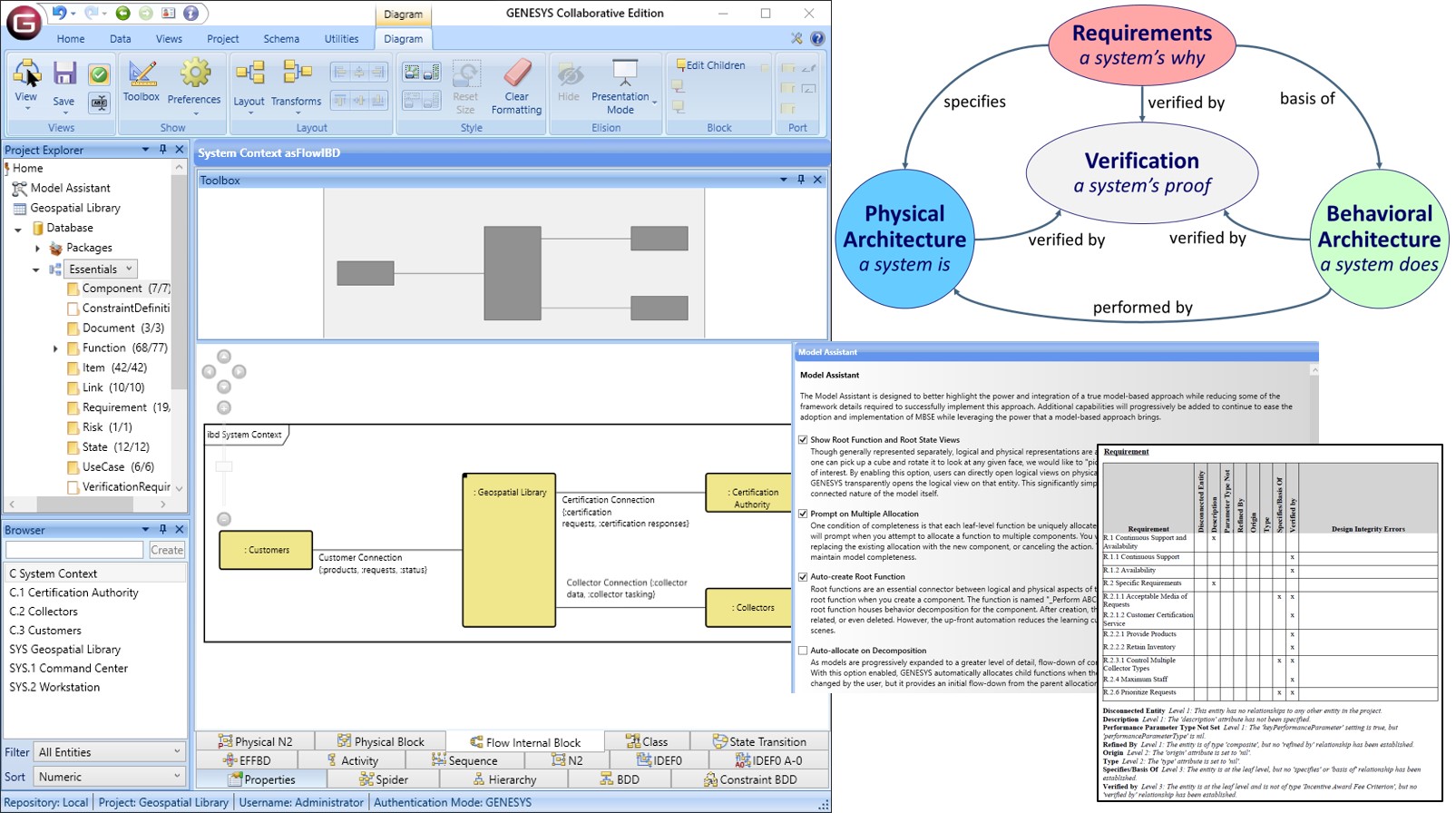
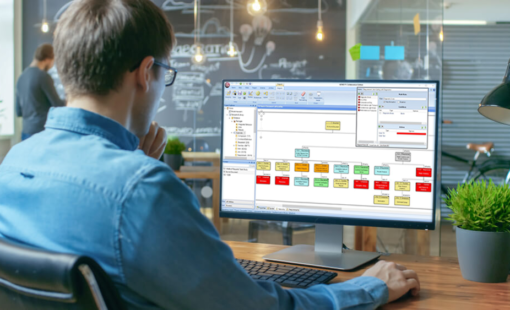
A model can represent a product or a process. For instance, I can develop a next generation farming tractor or the power grid for a city. The model can be thought of as a System Architecture Model (SAM). The SAM consists of logical architecture, requirements, risks, behavior and much more. GENESYS is a modeling tool for products and systems based on MBSE practices.

Genesys - Reduce the learning curve

CR-8000 System Planner

MBSE vs. MBE

Model-Base Systems Engineering (MBSE) is the application of System Engineering practices in building a model. Model-Based Engineering (MBE) is more specific to product development processes based on a product model. MBSE is very effective at modeling large complex systems (e.g., a trip to the moon). GENESYS supports both MBSE and MBE methodologies.

Connected Model and Team Collaboration

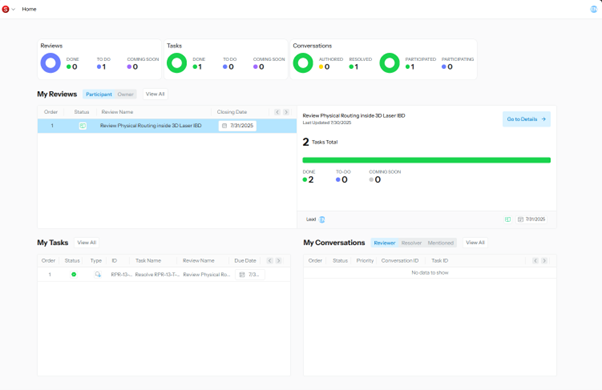
MBSE has had limited adoption because current tools lack the capabilities for stakeholder collaboration. The model remains on an island with little access. Zuken’s modeling tool GENESYS Product Design and Innovation with GENESYS, has a companion product called SIDEKICK. Together, they provide model and process access to the entire organization. Tasks, reviews, and decisions can be executed with traceability.

Web-Based-Review-Platform-Sidekick

Genesys - Verification and validation

Avoid Product-Model Divergence

Product-model divergence is a misalignment between design intent and design realization. As products become more complex, the risk of product-model divergence grows. Having the model connected to your design process with verification requirements and review gates along the way ensures alignment and decision traceability.

Connected Manufacturing

Breaking down the barriers between engineering and manufacturing offers new efficiencies and cost savings. Creating digital work instructions based on design content for control panels and wire harnesses delivers product consistency and performance efficiencies. Shop floor tasks and progress can be measured and displayed along with analytics.

Designing Control Panels for Easy Assembly

Digital Engineering Process

The process is based on a model built upon relationships. The model replaces a document-based design. The model is typically created by the Systems Engineering team who converts system purpose into structure, behavior, and requirements.  The model is considered the single source of truth.

Learn more

The model must remain relevant throughout the product life cycle. This is one of today’s biggest challenges. The model typically becomes a Systems Engineering artifact and has limited use through the development and manufacturing process.  A Digital Engineering process keeps the model relevant through the product life cycle and operates as a single source of truth.

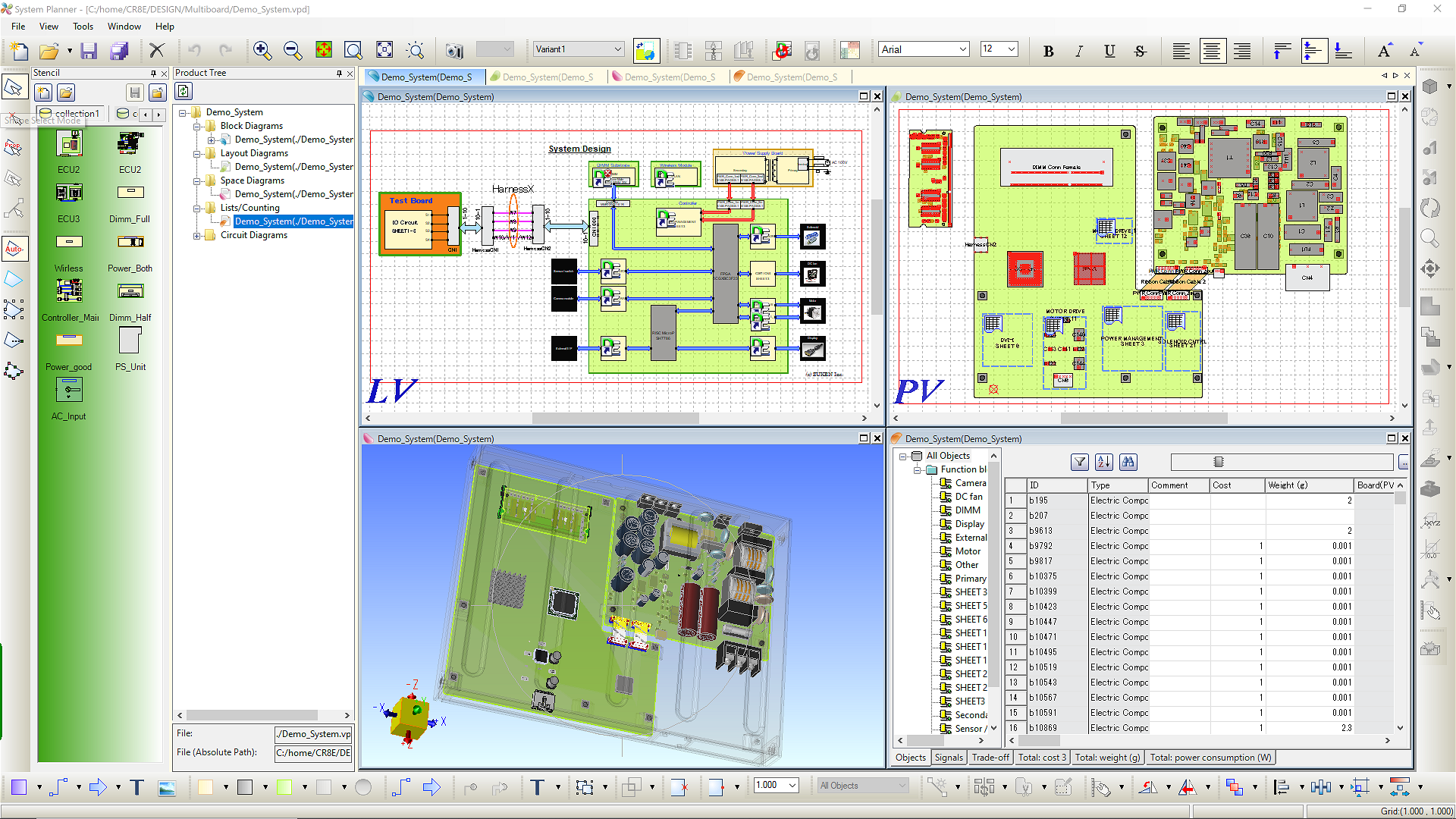
For the purpose of realizing the model in the electrical and electronic domains, the model must be decomposed into E/E subsystems. These subsystems are further decomposed into functional elements as Electronic Control Units (ECU), sensors, busses, and connections.

Realizing the model in the electrical and electronic domain requires a logical structure of design elements with the associated behavior and requirements. Model creation can be done with Vitech’s GENESYS product with the appropriate guidelines for model content.  For instance, the model does not typically contain specific component identification such as part numbers.

Learn more

When the design transitions from System Engineering to the implementation team, a design envelope must be clearly defined. The design team then knows what are the acceptable parameters in terms of cost, weight, size, power, etc.

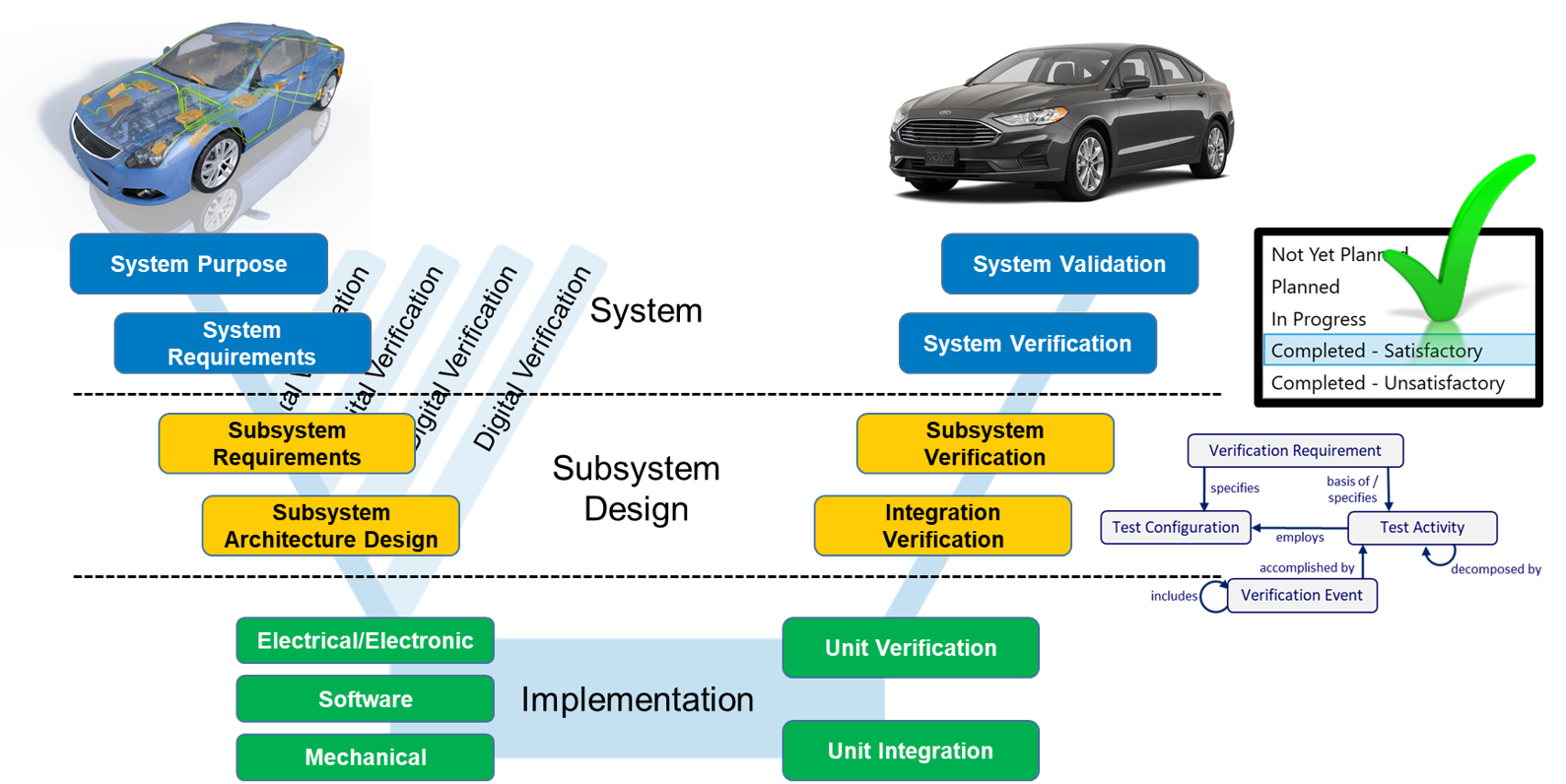
Architecture verification is a design step prior to a detailed design where a partial detailed design is used to verify model requirements that can be met at high confidence. If a requirement can not be met at this phase, Systems Engineering must alter the model in the context of the entire system to enable a realizable implementation of the mode.

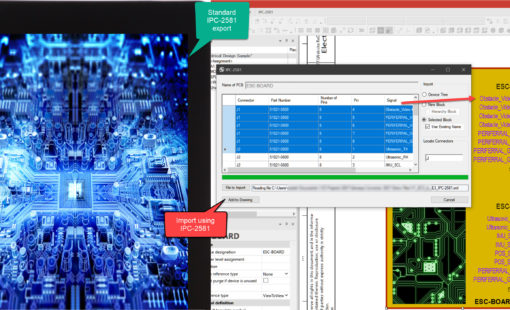
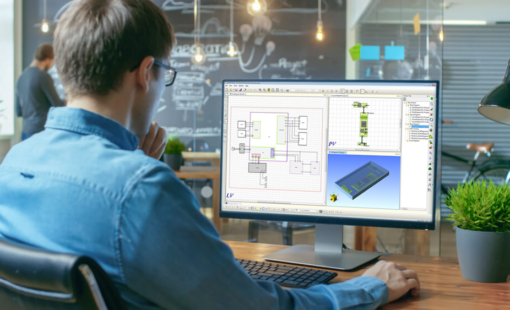
Once the design is verified at the architecture level meaning the verification requirements are met with high confidence, the design can move to detailed design. At this point domain-specific electronic and electrical design practices and tools are used to design a manufacturable product.  Learn more about transitioning to electrical design.

Learn more

The model must remain relevant through the product development process. This is accomplished through verification gates which are comprised of a set of verification requirements. The design can not proceed to the next development phase until the gate requirements are satisfied.  This ensures the product is consistent with the model.

As the design moves through each verification gate, the model must be updated to reflect the verification requirement status. This allows Systems Engineering to monitor the design progress in terms of meeting verification requirements. As the design progresses through the implementation process, Systems Engineering has a window into its model consistency.

Throughout the Digital Engineering process, discussions that lead to decisions must be recorded and retained for traceability. The Digital Thread provides the mechanism to hold those critical digital conversations.

Learn more

A Digital Engineering Approach for Electrical & Electronic Design

E3.GENESYS Connector White Paper
Download Now

Got a Question? - Contact Zuken today

For more information on how Zuken can help your design process, contact Zuken today.
Contact us today