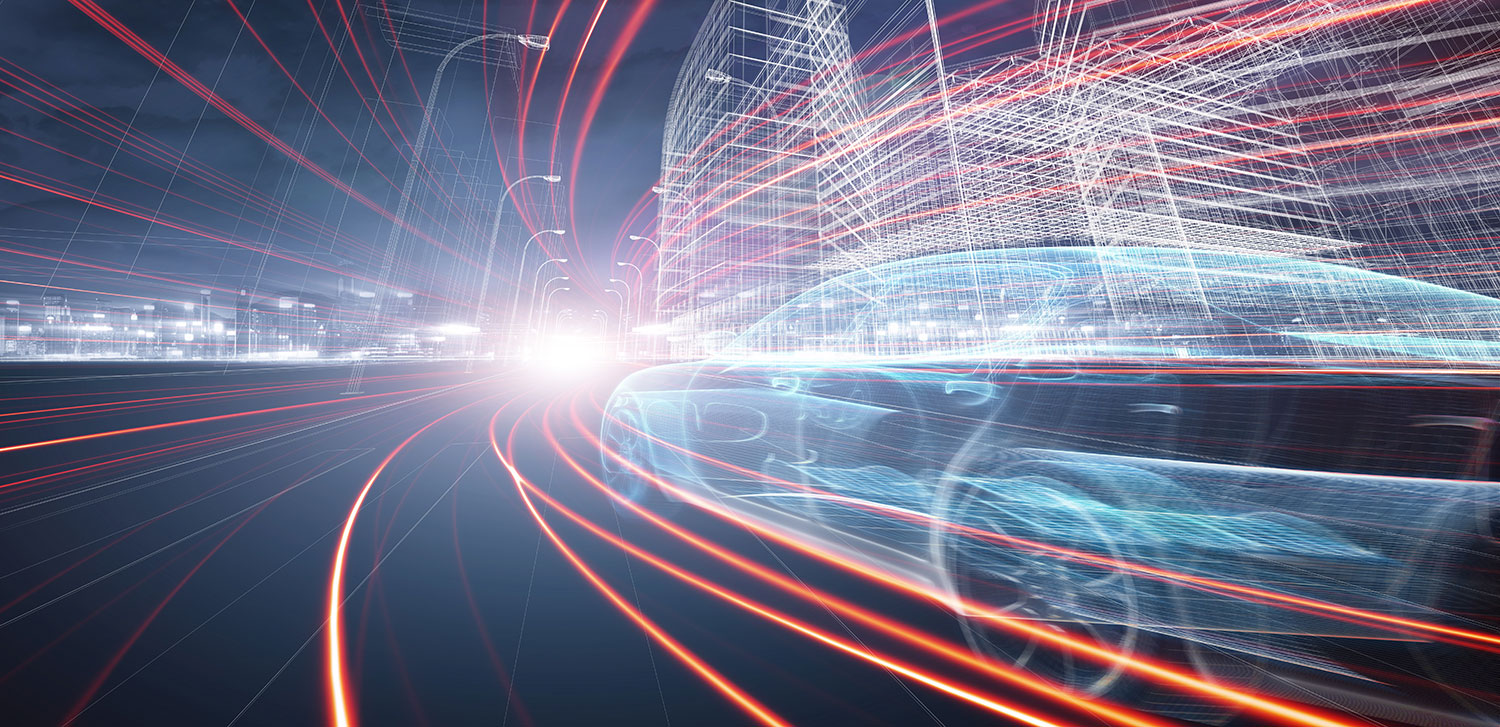
Electrifying Transportation: Challenges and Opportunities
Electrifying transportation is one of the significant technology initiatives of this era. Breakthrough innovation in transportation was rare in the last quarter of the 20th century. However, during the last few decades, battery and high-power semiconductor technology have improved significantly. Now, multi-hundred-mile ranges are common in consumer-grade electric cars. Advanced semiconductors, such as IGBTs, and materials like silicon carbide (SiC) and gallium nitride (GaN) allow for precise electronic drive of power levels reaching megawatts. Alongside this, AI allows for situational analysis and control for automation at previously unthinkable levels.

Societal Needs for Electrifying Transportation
The need to preserve natural resources and the environment is dramatically changing the transportation industry. Along with that need, semiconductor and battery chemistry innovation has reached a tipping point, creating a future full of business opportunities and exciting design challenges. Electrifying transportation involves much more than bringing battery-powered electric vehicles to the passenger car market. Heavy transportation is also evolving to become electric, and a new category of individual transport is also on the rise.
Electric Vehicles in Public Transportation
Public transportation fleets present both opportunities and challenges for transitioning from fossil fuel to electric. On the one hand, there are decades of investment in infrastructure, operating equipment, servicing, and owning diesel and gasoline vehicles. On the other hand, the urban setting offers various opportunities in support of electric vehicles.
Fleet managers tightly control most aspects of operations, including mileage, hours of operation, and geographic roaming. These behaviors are often consistent, with vehicles arriving at a singular location at the end of every shift. With sufficient planning, fleet operators could manage vehicles to operate within a battery pack’s known range, with a common infrastructure for charging. In addition, routes are consistent enough to allow for electric light rail, electric heavy rail, and even city buses. Skeptics need only look to Seattle, Washington for a legacy of electrifying transportation. Seattle has operated electric buses powered by overhead wires as far back as 1940. Since 2004, Seattle has also operated diesel-electric hybrids and, more recently, is adding pure battery electric buses to the fleet.
Traditional Private Vehicles

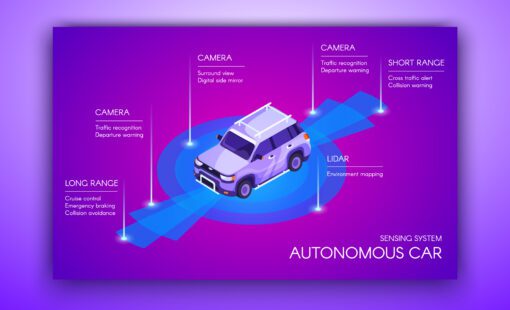
Electrification is more than substituting a battery and electric motor for an internal combustion engine (ICE). Over the last decade, even the ICE car has received an electric overhaul. Electric systems are replacing many traditional hydraulic components, such as power steering and other actuators. Air conditioning units in electric, hybrid, and sometimes even ICE vehicles now use electric compressor motors. Solenoids and motors can move just about everything that used to be mechanical or engine-driven. Furthermore, safety, sensory, and infotainment electronics are evolving from simple add-ons to complex, AI-driven systems. Advanced driver assistance systems (ADAS) are reducing the driving burden and making roads safer.
New Electric Vehicle Types Enabled by Electrification
Recent advancements in battery, small motor, and charging technology have created a whole set of personal electric transportation. Conventional bicycles with electric boost allow in-city travelers to move about while avoiding sweat and traffic congestion. Electric scooters deliver this same level of mobility to the more daring set of riders. Additionally, disability scooters now allow much more unrestricted mobility to those unable to walk long distances or drive a car.
Technologies Behind Electrification
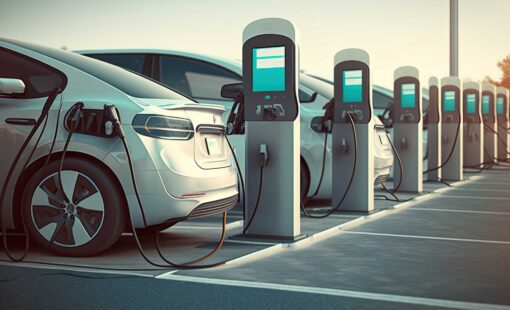
Electrifying transportation requires a battery sufficient for long ranges, quick to recharge, and easy to draw upon. Battery technology has advanced to such a degree that it’s now possible to find and purchase an electric vehicle (EV) with a range of 250 or more miles. While most ICE cars have a single-tank range of 350 to 500 miles, a 250-mile EV has a range that is viable for most uses. The greatest remaining challenge is quickly charging the battery without shortening its life. The ultimate goal is a ten-minute charge—nearing the time it takes to refuel a gas car.
For more efficient motor operation, high-power electronics like IGBT and MOSFET switches allow efficient DC to AC and up conversion. Materials such as SiC and GaN allow greater power throughput, less heat, and a smaller footprint. However, battery electrode technology needs more work before the elusive ten-minute recharge is a reality.

An Electric Future
For some, electrifying transportation will not happen fast enough, and for others, it will occur too fast. Electrification may never be a 100% transition. There will always likely be a few specialized applications that don’t lend themselves to pure battery electric power. However, the transition is well underway and is inevitable.
Electrification has opened up new modes of personal transportation. Electric vehicles for individuals, including two-wheeled scooters, bicycles, and mobility scooters, have made local transportation much more convenient. New freedoms are available to mobility-challenged individuals.
Passenger cars and trucks have reached a point of range viability but still need faster charging and more charging infrastructure. Cities like Seattle are proving that electricity has a place even in heavy vehicles. Even as transportation gradually converts to grid power, overall energy use is dropping or increasing at slower rates. More efficient electronics, precise computer controls, and conservation efforts across industries will keep overall power demand within grid capacity.

-
E3.series Technical Marketing Manager


- Blog
- Blog

- Blog
- Blog
Related Products and Resources

- Blog
- Blog
- Blog
- Blog