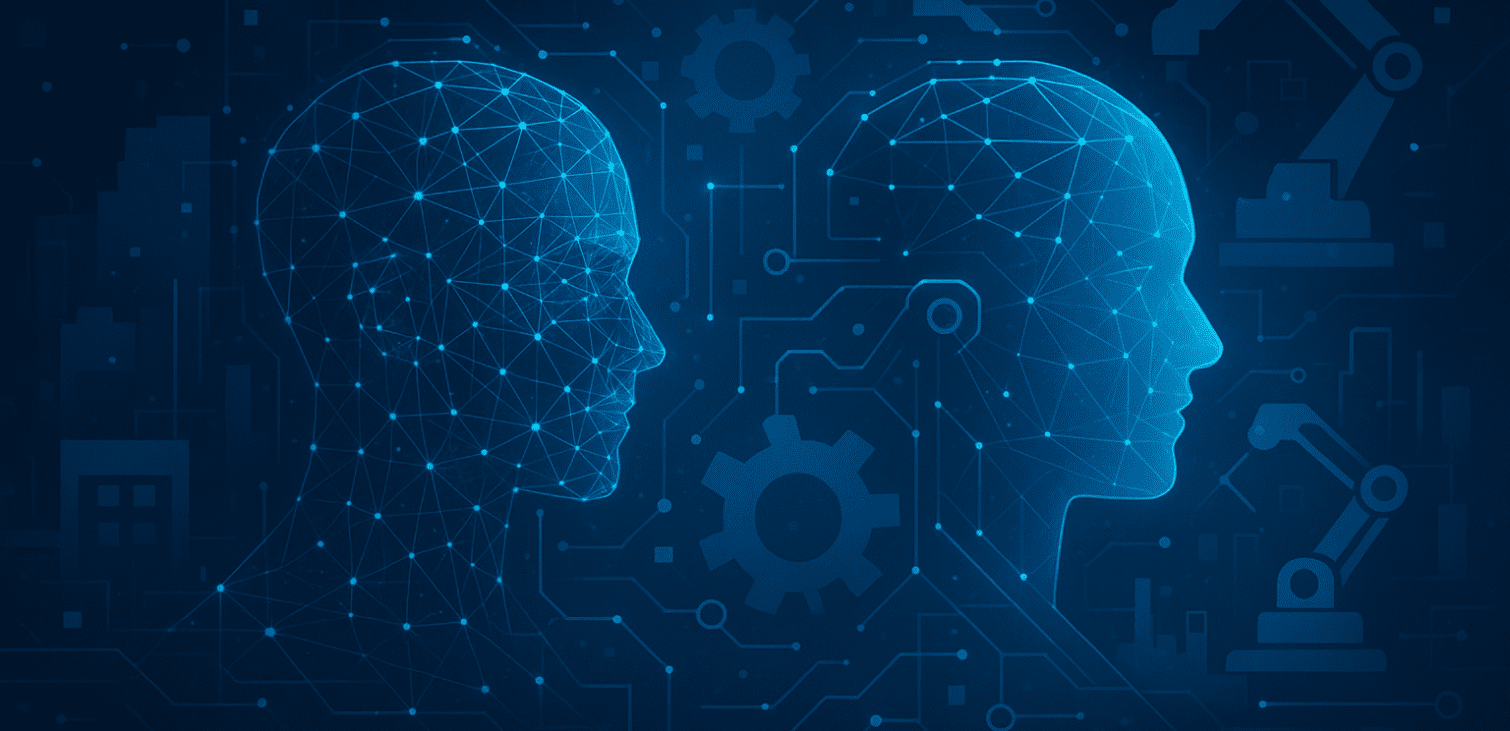
What is a Digital Twin in Manufacturing?
Manufacturing is evolving rapidly, driven by digital engineering innovations transforming how engineers design, test, and produce products. Among these innovations, digital twins have emerged as a pivotal technology, especially relevant for electrical and PCB engineers striving for efficiency, accuracy, and reliability.
History of Digital Twins and Their Impact on Manufacturing
The concept of digital twins originated with NASA during the Apollo missions, where virtual replicas were used to simulate spacecraft operations and diagnose problems remotely. Over the decades, this idea evolved, driven by advancements in computing, IoT, and data analytics, becoming integral to modern manufacturing. Digital twins transitioned from exclusive aerospace applications into broader industrial use, revolutionizing manufacturing by providing unprecedented visibility into processes and systems, significantly reducing costs, and accelerating innovation cycles.
Understanding Digital Twins
A digital twin is a virtual representation of a physical product, process, or system. In manufacturing, digital twins enable engineers to simulate, analyze, and optimize designs in a virtual environment before committing to physical prototypes or production runs. This approach significantly reduces costs, time-to-market, and potential errors.
Is Digital Twin Part of AI?
Digital twins often integrate Artificial Intelligence (AI) to enhance their predictive and analytical capabilities. While a digital twin itself is primarily a virtual model, AI can be embedded to facilitate real-time data processing, predictive analytics, and autonomous decision-making. AI enhances digital twins by enabling them to learn from historical data, adapt to new inputs, and provide actionable insights more efficiently.
What are the Three Key Concepts of Digital Twins?
The effectiveness of digital twins rests upon three foundational concepts:
- Physical Entity: The real-world object or system that is being replicated digitally.
- Virtual Model: A highly accurate, digital representation of the physical entity.
- Data Connection: Continuous, real-time data exchange between the physical entity and its virtual counterpart, enabled by sensors and IoT technologies.
These key concepts ensure digital twins provide accurate, actionable insights that improve decision-making and optimize system performance.
Practical Applications of Digital Twins
Predictive Maintenance
Digital twins help monitor equipment conditions in real time, predicting failures before they occur. This is crucial for complex electrical systems, where downtime can be costly and disruptive.
Improved Compliance and Testing
Engineers can validate designs against compliance standards more efficiently through digital simulations, significantly reducing physical testing efforts.
Implementing Digital Twins with Zuken
Zuken’s E/E engineering software solutions offer powerful capabilities for effectively implementing digital twins. The GENESYS platform facilitates the creation of a system architecture model for digital twin creation and ultimately manufacturing. The model can replicate the product’s operational performance and environment, enabling design optimization. Zuken’s CR-8000 and E3.series software suites provide advanced digital twin functionalities tailored specifically for PCB and electrical system design. Thermal, power, EMI, and much more can be simulated before manufacturing, exposing design errors or missed requirements early in the design process.
Getting Started with Digital Twins
With the right tools and resources, transitioning to a digital twin-driven approach is straightforward. Electrical and PCB engineers interested in exploring digital twins can begin by evaluating software solutions like those offered by Zuken.
Embracing digital twins opens new avenues for innovation, efficiency, and precision in manufacturing. Whether your goal is faster development cycles, improved reliability, or streamlined production processes, digital twins represent the future of engineering excellence.
Ready to Optimize Your Manufacturing Process?
Visit our website or contact our team today to learn about digital twins and how Zuken can transform your engineering workflows.

-
Vice President of Marketing, Zuken USA, Inc.


- Blog
- Blog

- Blog

- Blog
- Blog
- Blog
- Blog