
Does This Truck Make My Wheels Look Fat? Behind the Scenes at Zeal Motors
There are customer video shoots. And then there are customer video shoots where the star of the show is an amphibious off-road vehicle with giant tires and serious main character energy.
This was one of those shoots.
A few months ago, Bob and I traveled to Canada (again in the dead of winter!) to visit Zeal Motors, the company behind the Fat Truck, for our latest E3.series customer success story. The goal was to capture how their team uses E3.series to support electrical and wire harness design for a vehicle built to go places most vehicles cannot.
Also, yes. I did wonder at least once: Does this truck make my wheels look fat?
First Surprise: The Weather Behaved

After my last customer shoot in Canada, I packed with caution. Layers. Coat. Boots. The whole “I respect winter outside of Texas” wardrobe.
Then Canada surprised us…
Instead, the weather was surprisingly mild. No frozen eyelashes. No dramatic wind-chill stories. No need to question every life choice that led me outdoors. Honestly, it was almost suspicious.
But mild weather made the trip easier, especially since we were moving between interviews, shop-floor shots, vehicle footage, and plenty of “wait, can we get that one more time?” moments.
Behind the Scenes of an E3.series Customer Success Story
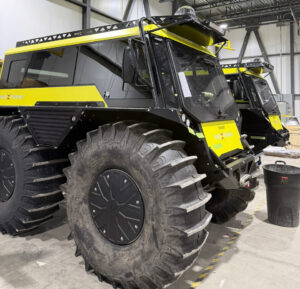
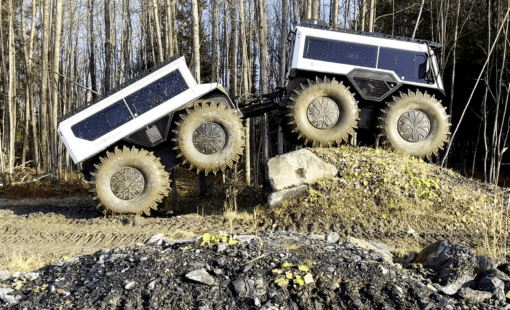
Zeal Motors builds the Fat Truck, a rugged off-road utility vehicle designed to transport people and equipment safely through tough terrain.
And when I say tough, I don’t mean a gravel parking lot after a light rain.
Fat Truck vehicles are used in industries like oil and mining, powerline utilities, defense, search and rescue, and emergency response. They are built for mud, snow, water, swampy ground, Arctic conditions, desert heat, and remote locations where reliability really matters.
That makes the vehicle interesting to look at. More importantly, it makes the engineering story more meaningful.
The Fat Truck is not just big for the sake of being big. Every part of it has a job to do. Every system has to support the vehicle’s ability to operate safely in demanding environments.
That includes the electrical systems and wire harnesses.
The Ride Was the Highlight
The highlight of the visit? Easy.
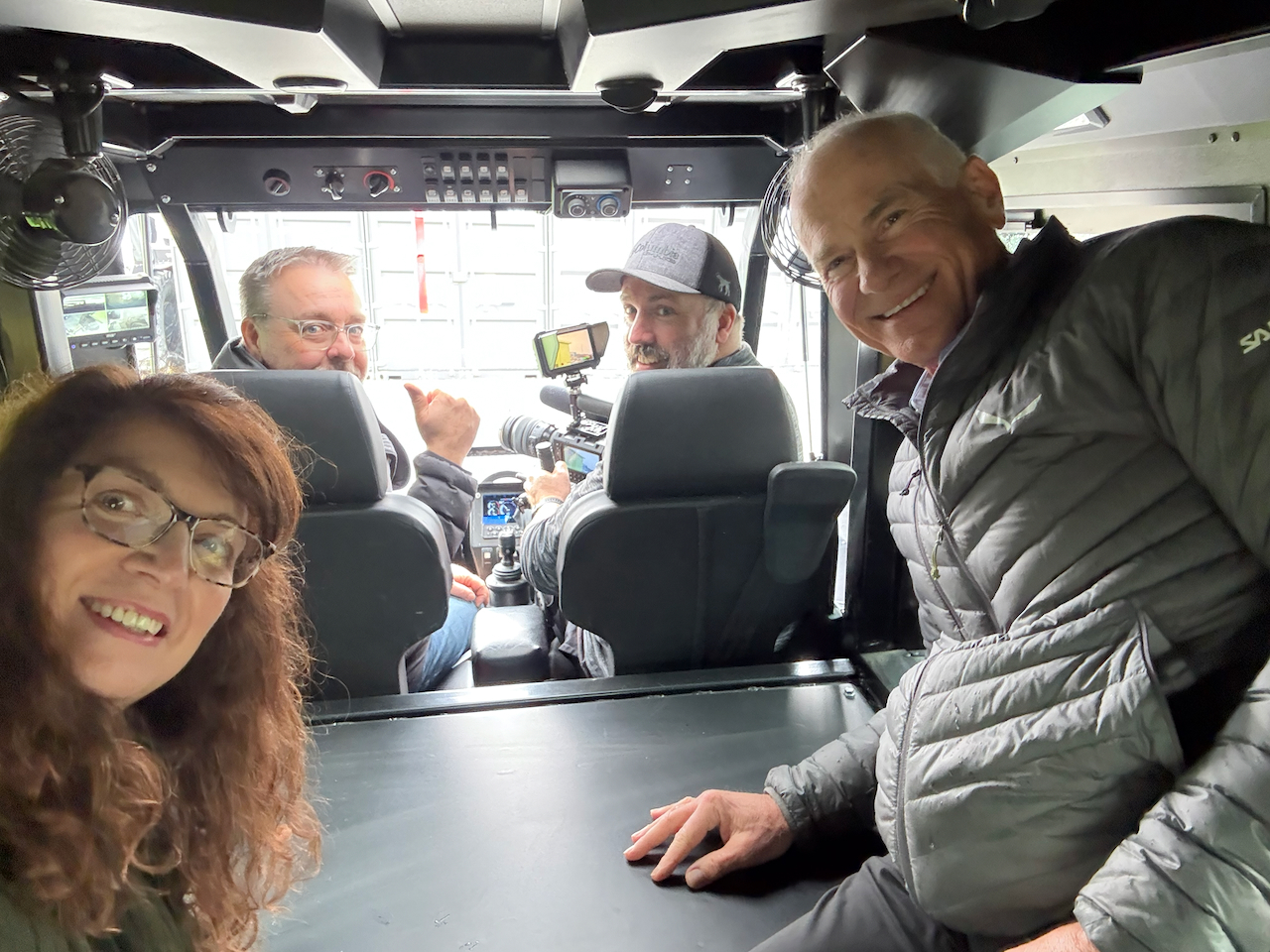
Joël took Bob, our cameraman, and me out for a ride on the test track.
Now, I knew the Fat Truck was designed for rough terrain. I had seen the tires. I had heard the stories. I had watched it move around the property like it had something to prove.
Still, there is a difference between understanding that in theory and sitting in the back seat while the truck climbs a steep, muddy hill at an angle that makes you question gravity.
At one point, we were tilted so far back that it felt like I was lying down in the back seat. There was a very sincere, very synchronized reaction from the passengers.
Let’s just call it a collective “oh no,” but with stronger punctuation!
The Fat Truck handled it like it was no big deal. Which, of course, was the point.
It was fun. It was a little ridiculous. And it was the fastest way to understand why this vehicle exists. It is built for places where standard vehicles would stop, sink, or politely ask to turn around.
A Company That Is Growing, Literally
One thing that stood out right away was the energy at Zeal Motors.
The team is proud. Not in a rehearsed, corporate talking-point way. They are genuinely proud of the vehicles they build, the problems they solve, and the company they are helping grow.
That pride showed up everywhere.
It showed up in the interviews. It showed up on the production floor. You could hear it in the way people talked about their work and each other.
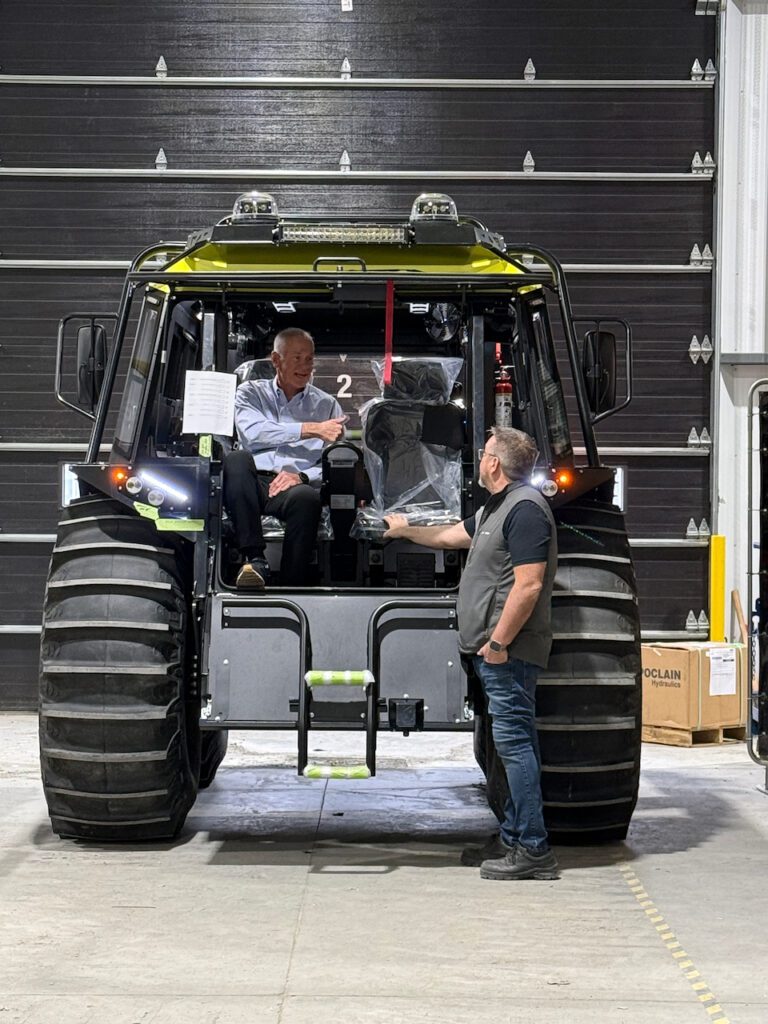
It also showed up in a very literal way. Zeal Motors was expanding the building while we were there. New construction was happening right alongside the day-to-day work of building vehicles.
That is not a bad metaphor for the company.
They are building vehicles. They are building processes. They are building capacity. And they are clearly building toward something bigger.
The Real Story Behind the Big Tires
The Fat Truck naturally gets your attention first. It’s hard not to look at it.
But once we started talking with the Zeal Motors team, the real story became clear. This is a story about managing complexity.
The Fat Truck product line includes multiple platforms, many variants, and a range of customer options. A typical vehicle can include 10 or more wire harnesses, and the most complex configuration includes 15.
That is a lot of electrical data to manage.
Before using E3.series, the team relied on traditional CAD tools, Excel spreadsheets, paper drawings, and manual checks. Each harness had its own files. As the vehicles evolved, keeping information updated became harder.
That matters because electrical documentation does not stay politely in the engineering department. It affects production. It affects suppliers. It affects service. It affects the final vehicle.
And for a vehicle built to operate in remote and harsh environments, accuracy is not optional.
Where E3.series Fits In
Zeal Motors uses Zuken E3.series to connect electrical design and wire harness production.
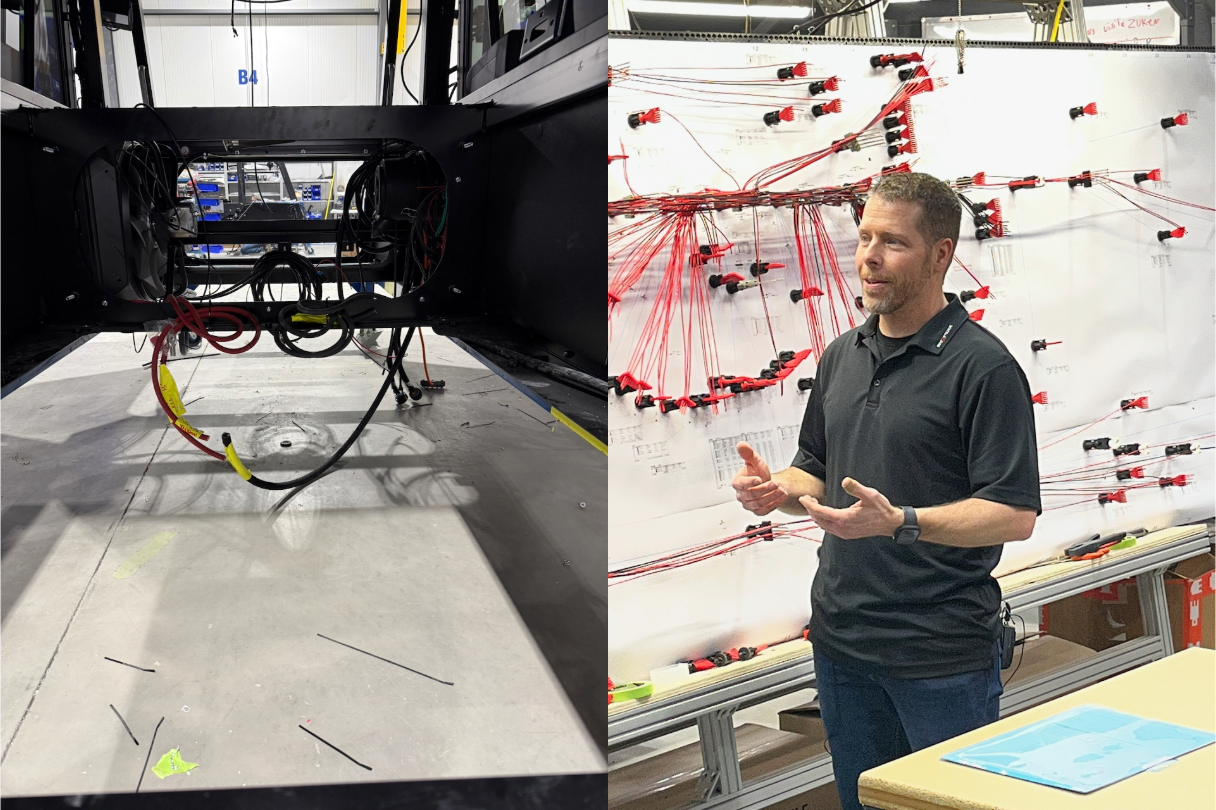
For the engineering team, that means design data, wire lists, logical diagrams, and revisions are easier to manage. Updates that once took hours can now take minutes because the information is connected.
For the production team, it means wire lists, form board data, and assembly instructions are synchronized with engineering. When a schematic changes, the production data updates with it.
That connection makes a big difference on the shop floor.
The team talked about fewer assembly errors, clearer instructions, better communication, and faster preparation for production. They also shared that they reduced development time by 75% and cut production preparation time in half.
Those are the kind of details we love to hear on an E3.series customer success story shoot. Not because they make a nice headline, although they do. But because they show what happens when software supports the way people actually work.
Behind the Camera
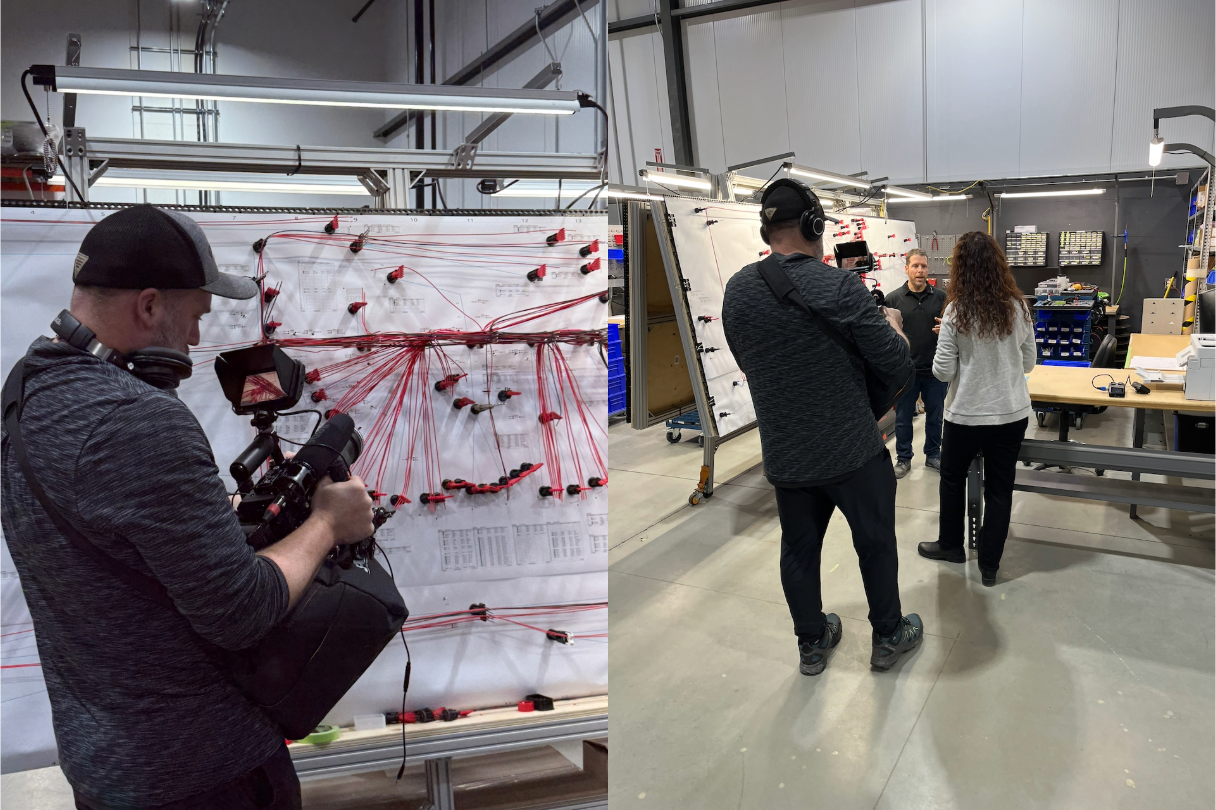
A lot goes into a customer video shoot that no one ever sees.
Lighting checks. Microphone checks. Camera angles. Background noise. Forklifts. Doors. Coffee. Cables. More cables. Someone (me) quietly asking, “Can we move that just a little to the left?”
Then there are the moments you cannot script.
A proud team member explaining the production process. A quick laugh between takes. A vehicle rolling into position and immediately stealing the scene. A test-track ride that gave all of us a new respect for seatbelts. Bob and me trying to look useful while the video crew did the real magic.
What We Took Away
This shoot was a good reminder that customer stories are rarely just about software.
They are about companies solving real problems.
At Zeal Motors, the challenge is building a vehicle that can operate in places where reliability matters. The team needs electrical design and wire harness production processes that can keep up with vehicle complexity, customer options, and future growth.
E3.series helps support that work by connecting design data with production data. But the real success comes from how the Zeal Motors team uses that connection to build better, faster, and with more confidence.
The Fat Truck may be the attention-grabber. The tires help.
But the people behind it are the real story.
Coming Soon
The full Zeal Motors E3.series customer success story is coming soon. We will share more about how the team uses E3.series to streamline electrical and wire harness design for the Fat Truck.
For now, a big thank you to the Zeal Motors team for welcoming us, sharing their story, and letting us spend time with a vehicle that absolutely knows how to make an entrance.

-
Director of Marketing Communications

- Blog
- Blog
- Blog
- Blog
Related Products and Resources

- Blog
- Blog