Abstract visualization of an MBSE model connecting aircraft, automotive, electrical, simulation, and manufacturing systems within a digital engineering ecosystem.
Menu

MBSE vs. Digital Engineering

Model-based systems engineering (MBSE) and digital engineering are related approaches with different scopes. MBSE uses a connected system model to help teams define what a product must do, evaluate how it should work, and verify that the design meets its requirements. Digital engineering connects models and trusted engineering information across teams, tools, and stages of the product lifecycle.

In simple terms, MBSE helps define and evaluate the system. Digital engineering connects that system definition with the broader work required to design, produce, verify, and support it.

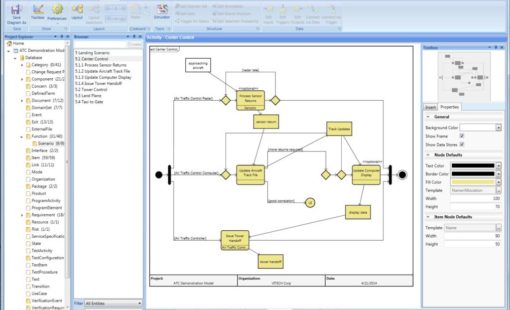
Zuken Digital Engineering - MBSE Process

MBSE and digital engineering in brief

  • MBSE connects requirements, functions, behavior, interfaces, architecture, and verification information within a system model.
  • Digital engineering connects trusted models and data across disciplines and lifecycle stages.
  • Digital engineering does not replace MBSE. It provides a broader environment in which MBSE information can support detailed design, manufacturing, testing, and support.
  • The two approaches can work together: MBSE establishes system context, while digital engineering makes that information useful to other teams and activities.

MBSE vs. digital engineering at a glance

The exact boundaries may vary by industry, regulatory environment, and digital maturity. The key difference is scope: MBSE concentrates on systems engineering, while digital engineering connects engineering information and activities more broadly.

Area

Model-Based Systems Engineering

Digital Engineering

Primary focus
Defining, analyzing, and verifying the system
Connecting engineering work across disciplines and lifecycle stages
Core information
Requirements, functions, behavior, interfaces, architecture, and verification
Models, trusted data, simulations, processes, and digital threads
Typical users
Systems engineers, architects, verification teams, and program teams
Systems, electrical, mechanical, software, manufacturing, test, support, and program teams
Common methods
Systems-engineering processes, modeling methods, SysML, and industry frameworks
Multiple engineering methods, tools, standards, and data environments
Typical outcomes
Traceability, architecture evaluation, consistent system definition, and verification planning
Digital continuity, cross-domain collaboration, information reuse, and better-supported decisions
Relationship
A systems-engineering practice that can provide the system-level foundation
A broader engineering strategy within which MBSE can operate

What is model-based systems engineering?

Model-based systems engineering is an approach that uses a connected model as a central part of systems engineering work. Instead of maintaining requirements, diagrams, interfaces, and verification information in disconnected files, teams connect that information within a structured system model.

A system model is a structured representation of what a system must do, how its parts relate, and how teams will confirm that it performs as intended. Architecture describes the system’s organization and relationships. Verification is the process of confirming that the design meets defined requirements.


MBSE can help teams:

  • Keep requirements, functions, behavior, interfaces, architecture, and verification information aligned.
  • Evaluate alternative architectures earlier in development.
  • Trace the effect of a requirement or design change across the system.
  • Create consistent views for different stakeholders from the same underlying information.
  • Preserve decisions, assumptions, risks, and rationale as a program evolves.

What MBSE is not

  • Not simply drawing diagrams. The model should contain structured engineering information and meaningful relationships.
  • Not a replacement for engineering judgment. Models support analysis and decisions; engineers remain responsible for the assumptions and conclusions.
  • Not limited to one modeling language. SysML can support MBSE, but MBSE also includes methods, governance, collaboration, and analysis.
  • Not only for dedicated model authors. Reviewers, domain experts, program teams, and downstream engineers can use model information without editing the model themselves.

What is digital engineering?

Digital engineering is a broader way of working that connects engineering models, data, tools, processes, and people throughout product development and the rest of the product lifecycle. The lifecycle includes the stages through which a product is conceived, designed, built, tested, operated, maintained, and eventually retired.

It allows teams to reuse and trace trusted engineering information rather than repeatedly transferring or recreating it across separate documents and systems. It may connect work across systems engineering, electrical and electronic design, mechanical engineering, software development, simulation, manufacturing, testing, and support.

Key idea: Digital engineering is not a single application or file. It is a connected way of working that makes reliable engineering information available to the people and processes that need it.

How MBSE fits within Digital Engineering

MBSE can provide the system-level foundation for a digital engineering strategy. The system model describes what the product must accomplish, how functions interact, where interfaces exist, which requirements apply, and how the design will be verified.

Digital engineering connects that context with the disciplines and lifecycle activities responsible for implementing, producing, testing, and supporting the product.

  1. Stakeholder needs and requirements establish the problem.
  2. MBSE defines and evaluates the system.
  3. Detailed engineering implements the system architecture.
  4. Connected data maintains continuity across tools and teams.
  5. Verification results show whether the implementation meets the original intent.
  6. New findings and changes inform the system model.

A digital thread connects trusted engineering information across teams and lifecycle stages. It helps people follow how requirements, decisions, and changes affect later design, manufacturing, verification, and support activities.

Example

Consider an aircraft electrical system. Systems engineers begin with mission needs, operating conditions, safety objectives, and performance requirements. An MBSE-enabled process can connect those needs to system functions, interfaces, architecture choices, and verification plans.

Electrical engineers then translate the system definition into implementable information such as connectivity, component choices, connector and pin assignments, wire specifications, harness architecture, routing, manufacturing outputs, and test information.

Digital engineering connects the two levels of work. Instead of repeatedly recreating system information in separate documents, relevant requirements, parameters, diagrams, and interface definitions can be made available to the detailed-design team. Design progress and verification results can then be evaluated against the original system intent.

  • MBSE defines and evaluates the system.
  • Detailed electrical engineering implements the design.
  • Digital engineering maintains the connection between them.
  • The digital thread preserves context as information and decisions change.

Is digital engineering replacing MBSE?

No. Digital engineering is not a replacement for MBSE. It is a broader approach that can incorporate MBSE and connect the system model with other engineering disciplines and lifecycle activities.

The language may change with the audience. Systems engineers often discuss requirements, architecture, SysML, and verification. Executives and transformation leaders may focus on connected data, lifecycle continuity, risk visibility, and digital transformation. Organizations can use both terms accurately rather than choosing one and removing the other.

Related terms and how they differ

Creating structured representations of requirements, behavior, functions, interfaces, architecture, constraints, and relationships. A model can support MBSE, but one model alone does not establish a complete MBSE practice.

Using models as important engineering artifacts within a discipline or process. MBSE applies model-based practices specifically to systems engineering and the relationships across the system definition.

A standardized language for representing systems information. SysML can support MBSE, but it is a modeling language—not the complete engineering approach.

A connection among trusted models and data that allows teams to follow information, decisions, and changes across engineering activities and lifecycle stages.

A digital representation of a particular product, system, or process that can reflect or predict the state or performance of its physical counterpart. A system model helps define and verify a system; a digital twin is generally associated with a specific physical system or process.

Zuken’s approach to connected engineering

Zuken provides capabilities for developing a system model, involving a broader group of stakeholders, and connecting system-level information with detailed electrical engineering.

GENESYS supports system model development from needs and requirements through behavior, architecture, verification, and validation. Teams can use it to:

  • Develop and maintain a connected system model.
  • Relate requirements to functions, behavior, interfaces, architecture, and verification.
  • Capture alternatives, decisions, risks, and rationale.
  • Generate model views for different stakeholders.
  • Evaluate specified system behavior and identify logical, resource, or timing concerns.

Explore GENESYS

Sidekick is a web-based companion to GENESYS that gives stakeholders browser-based access to relevant model information and structured design reviews. Participants can review content, comment, approve it, or request changes without becoming dedicated model authors.

Explore Sidekick

E3.series supports detailed electrical and electronic design, including wiring, cables, harnesses, controls, and related manufacturing information. Through the E3.GENESYS Connector, selected model components or subsystems can be transferred from GENESYS to E3.series, where detailed-design users can access associated requirements, diagrams, and parameters.

Explore model-based wire harness design

When should an organization consider MBSE?

MBSE may be valuable when:

  • System complexity is increasing and interfaces are difficult to manage.
  • Important engineering information is spread across documents and spreadsheets.
  • Teams repeatedly recreate the same information in different formats.
  • Changes cause unexpected downstream effects.
  • Multiple disciplines need a shared understanding of the system.
  • Programs need to compare architecture options earlier.
  • Verification evidence is difficult to connect to requirements.
  • Decisions and their rationale are difficult to recover later.

Adoption does not need to begin as a company-wide transformation. A focused pilot with a clearly defined scope can demonstrate value before the approach expands.

Building an MBSE-enabled digital engineering strategy

A successful transition begins with a clearly defined engineering problem, not simply the selection of a modeling tool.

Identify a high-value problem

Choose a visible issue such as requirements inconsistency, interface errors, slow reviews, manual traceability, or late discovery of architecture problems.

2. Define the information that must be controlled

Identify the requirements, interfaces, parameters, decisions, and verification relationships that teams need to trust. Establish ownership and change approval.

3. Establish a modeling method

Define what the model will contain, which relationships matter, and which views different stakeholders need.

4. Start with a focused pilot

Select a system, subsystem, or program with a clear objective and measurable outcome. Connect requirements, architecture, and verification without attempting to model every detail.

5. Expand access, connect downstream work, and measure results

Bring appropriate reviewers and domain teams into the process, replace avoidable manual handoffs, and track outcomes such as review time, change turnaround, verification coverage, and documentation effort.

FAQ's

MBSE applies connected models to systems-engineering work. Digital engineering has a wider scope, connecting models and trusted data across disciplines, tools, and lifecycle activities.

No. Digital engineering can incorporate MBSE and extend the system model’s information into detailed design, manufacturing, testing, and support.

A system model is a structured representation of requirements, functions, behavior, interfaces, architecture, constraints, and verification information—and the relationships among them.

No single modeling language defines MBSE. SysML is widely used, but successful MBSE also depends on engineering methods, governance, collaboration, analysis, and lifecycle use of the model.

MBSE provides connected system information and relationships. A digital thread extends that context across engineering and lifecycle activities so teams can follow how decisions and changes affect downstream work.

Yes, when appropriate integrations are available. The E3.GENESYS Connector is designed to transfer selected GENESYS model information into E3.series and provide detailed-design users with associated requirements, diagrams, and parameters.

Start with a specific engineering problem and a focused pilot. Define the information that must be controlled, establish a modeling method, connect requirements with architecture and verification, involve relevant stakeholders, and measure the result.

Systems engineers, domain engineers, verification teams, program managers, quality teams, customers, and design reviewers may all benefit. Not everyone needs editing access; role-appropriate views and reviews can support broader participation.

Connect system architecture to detailed engineering

MBSE and digital engineering address different parts of the same challenge. MBSE helps teams define, analyze, and verify the system. Digital engineering connects that system information with the people and processes responsible for detailed design, manufacturing, verification, and lifecycle support.

Zuken helps engineering teams develop connected system models, broaden access to model information, and connect system-level decisions with detailed electrical engineering.

Explore MBSE with GENESYS | Explore Digital Engineering