
Tier-1 Supplier Data Management: Control Electrical Integration and Reduce Risk
Aerospace and automotive OEMs rely on Tier-1 suppliers to deliver installation-ready subsystems. This business arrangement lowers internal costs but introduces new risks. Small gaps in communication become rework, scrap, or delays once parts hit the shop floor.
This is why Tier-1 supplier data management matters more than ever. Suppliers don’t just “build to print”; they manage mixed OEM inputs and translate data into manufacturable packages. As designs and configurations evolve, mismatched revisions, unclear approval status, and late corrections threaten to disrupt assembly. For electrical integration teams, wire harness data management connects requirements, schematics, and build documentation to reduce risk in a fast-paced, change-heavy engineering landscape.
The Tier‑1 supplier data management reality: more responsibility, more Risk
Tier‑1 suppliers deliver installation‑ready modules, such as cockpit assemblies or landing gear, with full documentation. This business relationship shifts responsibility for engineering changes, configuration control, and release accuracy onto suppliers. When oversight weakens, the risk is visible and costly.
Why Tier-1 data management matters
The Tier-1 model forces OEMs and Tier-1 suppliers to clearly delineate responsibilities and requirements. Without tight data management controls, suppliers build with the wrong expectations to disastrous results.
A recent high-profile example was the 737‑9 MAX door plug. The failure prompted federal scrutiny of Boeing’s Tier-1 supplier Spirit AeroSystems. Investigations focused on supplier workmanship, inspection gaps, and OEM control, reinforcing the need for tighter Tier‑1 governance. For suppliers, the takeaway is clear: if OEMs and suppliers don’t have strong data practices, quality escapes are harder to prevent and even harder to prove against.
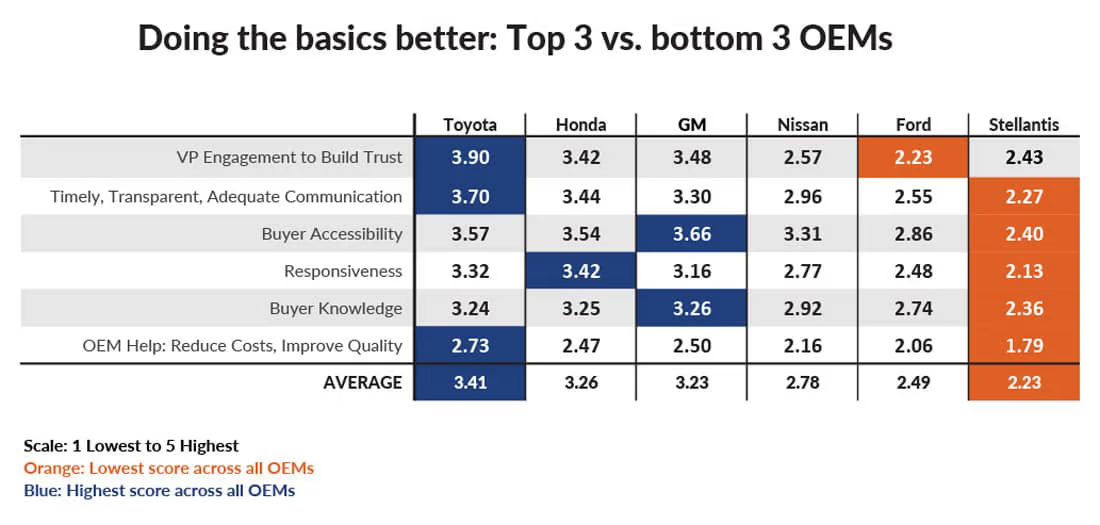
Conversely, a strong OEM-supplier relationships tend to run on disciplined information flow. Toyota placed first in Consumer Reports 2025 brand reliability rankings. Not coincidentally, Toyota also leads the 2025 Working Relations Index (WRI), a study that evaluates OEM-supplier collaboration among North American automakers. That doesn’t happen by accident. It comes from tight communication, clear expectations, and controlled release practices that keep engineering changes from turning into downstream surprises. Plante Moran cites strong communication, cost management, and strategic alignment as differentiators for top performers.
These studies indicate a larger ecosystem of data management, but for electrical integration teams, this is exactly where wire harness data management pays off.
Wire harness data management: turning OEM inputs into build-ready documentation
Tier‑1 pressures are reshaping daily work for electrical integration and wire harness teams. A major shift is occurring: instead of receiving full designs, wire harness manufacturers often receive only schematic data or partial outputs. This means manufacturers must generate the necessary prints for harness assembly.
This workflow adds responsibility. Teams must manage mixed inputs, frequent changes, and strict documentation expectations. Without disciplined wire harness data management practices, mismatches and late corrections reach the shop floor and drive up costs. Effective Tier-1 supplier data management provides the structure needed to prevent these breakdowns before they impact production.
Tier-1 suppliers and their wiring harness engineers typically need:
Unified OEM document storage
OEMs provide varying levels of detail for suppliers to begin design. Native CAD files, ICDs, spreadsheets, and requirement documents need to be connected to the supplier’s authoritative design set.
Rigorous revision control processes
Complex subsystem data requires structured revisioning, multiuser access control, and where-used tracking. Engineers must find designs quickly, understand their state, and analyze changes with confidence.
Standardized documentation
Templates for build packets, test documentation, and rework instructions ensure consistent deliverables. Standardization improves accuracy and strengthens collaboration across engineering, manufacturing, and quality.
Zuken: design tools for Tier-1 supplier data management
Tier-1 suppliers need tools that produce consistent build documentation and govern engineering data with traceability. Integrating DS-E3 with Harness Builder for E3.series supports both Tier-1 supplier data management and wire harness data management in one workflow.
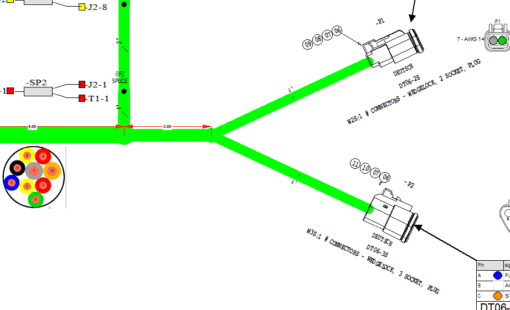
Harness Builder produces manufacturing-ready wire harness documentation from OEM data.
- Multi-format data handling: Begin formboard design by importing Excel wire lists, schematic data, or 3D model exports.
- Rapid formboard creation: Create formboards in minutes with built‑in checks that prevent common mistakes.
- Streamlined Documentation: Automate rework processes with OEM-specific document generation sets.
Benefits: Standardize outputs from variable inputs with enhanced accuracy in design processes and automated verification.
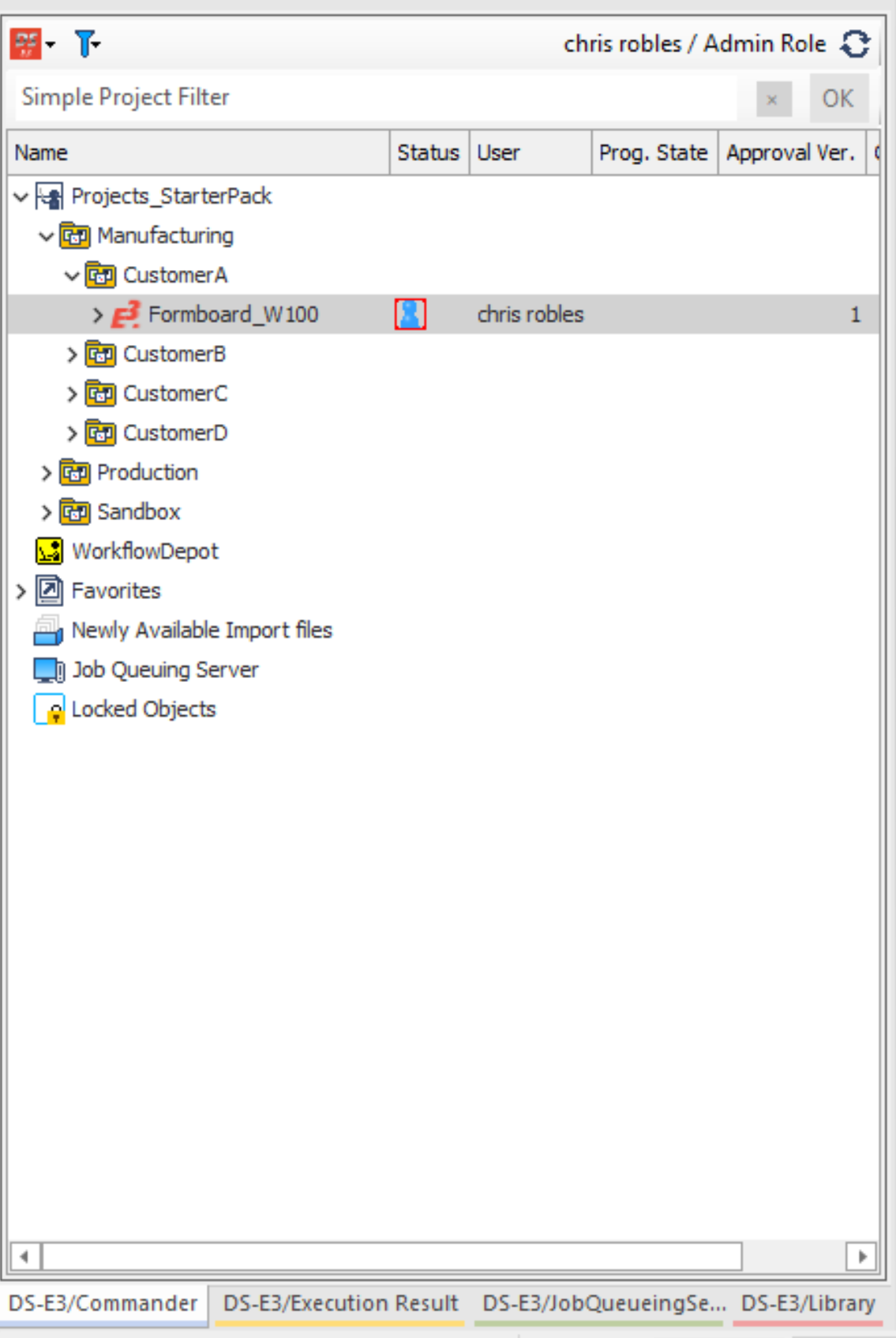
DS‑E3 acts as the centralized hub for electrical design data. It streamlines organization, access, and revision control.
- Revision Control: Track customer change orders and avoid overlooked modifications that could impact profits.
- Where-Used Searching: Support allows impact analysis for parts and assemblies.
- Multi-Format Data Vault: Secure storage for Excel, Word documents, ICDs, and customer requirement files.
- Cross-discipline integration: Review workflows validate electrical data before it reaches mechanical tools, while Zuken PDM Connect integrates electrical data with existing PLM systems like Teamcenter, Windchill, and Aras.
Benefits: Suppliers control changes, link diverse files to the authoritative design, and release only the correct, approved package into enterprise systems and the shop floor.
In Conclusion: Reduce rework with revision-controlled Tier-1 supplier data management
Effective Tier-1 supplier data management is now essential for harness suppliers operating under growing responsibilities. Teams that unify data, enforce revision control, and standardize documentation deliver more predictable builds and fewer surprises on the shop floor. They also gain financial clarity. A traceable data trail supports chargeable rework when customer changes or non‑conformances occur. By integrating Harness Builder and DS‑E3, manufacturers strengthen design, documentation, and release processes from concept to final build.
Learn more:
- Visit DS-E3 and Harness Builder webpages
- Read how engineering teams overcome resistance to data management

-
Application Engineer
- Blog

- Blog
- Blog

- Blog
Related Products and Resources

- Blog

- Blog

- Products

- Products
The traditional practice of mechanical, electrical and electronic engineers working in silos – then consolidating efforts late in the development process – is no longer viable for successful companies. Zuken offers a portfolio of scalable domain data management solutions for PCB and electrical/fluid design plus a range of solutions that integrate design and domain data management into the PLM and ERP world.